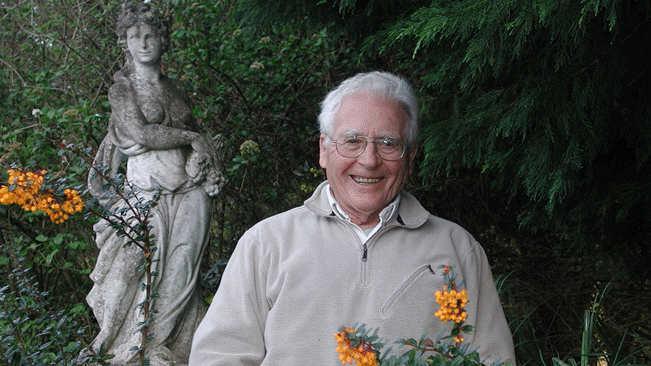
 James Lovelock, originator of Gaia theory, inventor of the electron capture detector (which made possible the detection of CFCs and other atmospheric nano-pollutants) and of the microwave oven.
The study of planetary habitability is partly based upon extrapolation from knowledge of the Earth’s conditions, as the Earth is the only planet currently known to harbour life
The Gaia hypothesis, also known as Gaia theory or Gaia principle, proposes that organisms interact with their inorganic surroundings on Earth to form a self-regulating, complex system that contributes to maintaining the conditions for life on the planet. Topics of interest include how the biosphere and the evolution of life forms affect the stability of global temperature, ocean salinity, oxygen in the atmosphere and other environmental variables that affect the habitability of Earth.
The hypothesis, which is named after the Greek goddess Gaia, was formulated by the scientist James Lovelock and co-developed by the microbiologist Lynn Margulis in the 1970s. While early versions of the hypothesis were criticized for being teleological and contradicting principles of natural selection, later refinements have resulted in ideas highlighted by the Gaia Hypothesis being used in subjects such as geophysiology, Earth system science, biogeochemistry, systems ecology, and climate science.2006, the Geological Society of London awarded Lovelock the Wollaston Medal largely for his work on the Gaia theory.
Credit: Wikipedia
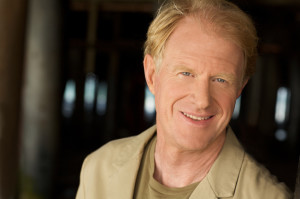
 The Ecological Farming Association nurtures healthy and just farms, food systems, communities and environment by bringing people together for education, alliance building and advocacy
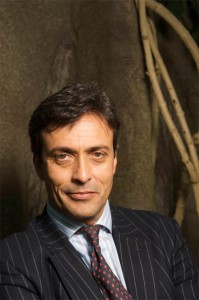 Dr. Marcelo Carvalho de Andrade, Ph.D., is a Co-Founder, Partner, and Principal at Earth Capital Partners LLP. He is responsible for business development in Latin America. He covers global external relations. He has extensive networks with institutional investment, agriculture and sustainability communities in Latin America and is responsible for deal origination in Brazil. With over 29 years of experience in the sustainability sector, Dr. de Andrade worked as head consultant and manager of several large-scale projects in sustainable development for large corporations, governments and multilateral agencies.
 Martyn Williams is an internationally known explorer and teacher of enlightenment sciences. He is the first person in the world to lead expeditions to the three extremes, Everest, the North and South Poles. He has created international youth empowerment projects that involved 60 million youth.